Game Demo Standards in 2026: Setting New Benchmarks for Player Interaction
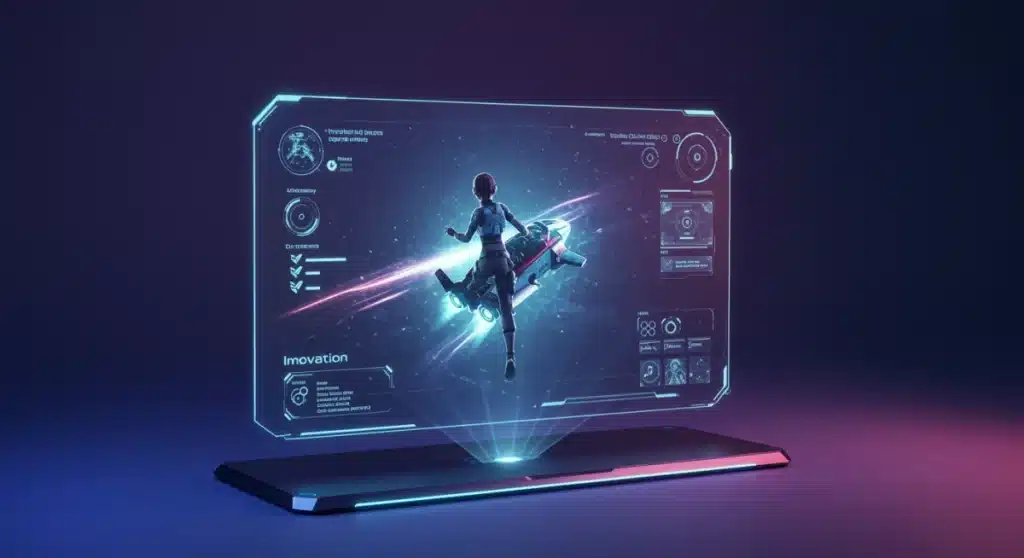
As the industry pivots toward more immersive pre-release experiences, 2026 game demo standards are fundamentally shifting how players interact with upcoming titles.
This evolution replaces simple vertical slices with living environments that prioritize deep connectivity and technical transparency.
Developers now utilize cloud-based accessibility and AI-driven personalization to transform traditional trials into high-impact engagement tools.
These modernized interactive previews serve as essential social hubs, allowing communities to co-create and explore narratives long before the official launch.
By analyzing these emerging benchmarks, we can see how the boundary between testing and playing has dissolved into a seamless journey. Understanding this paradigm shift is vital for navigating a digital landscape where authentic player agency and early trust define a game’s eventual success.
The Paradigm Shift in Game Previews
The traditional concept of a game demo, often a brief, static slice of gameplay, is rapidly becoming a relic of the past.
As of 2026, game previews are evolving into sophisticated, interactive experiences designed to deeply immerse players and provide meaningful insights into forthcoming titles.
This shift reflects a growing demand from players for more substantial pre-release content and a strategic move by developers to build stronger, more informed communities. The goal is no longer just to showcase a game, but to foster genuine engagement and anticipation long before launch.
The move towards more elaborate game demo standards is also a response to increased competition and the need to stand out in a crowded market. A compelling demo can be the difference between a game’s success and its obscurity.
Technological Leaps Driving Enhanced Demos
Advancements in gaming technology are the primary catalyst for the elevated 2026 game demo standards. From photorealistic graphics to sophisticated AI, these innovations are enabling developers to craft demos that are almost indistinguishable from the final product.
Cloud gaming infrastructure now allows for resource-intensive demos to be streamed seamlessly to a wider audience, eliminating hardware barriers. This accessibility ensures that more players can experience high-fidelity previews without needing top-tier gaming rigs.
Furthermore, the integration of advanced haptic feedback, adaptive AI, and even early forms of procedural generation within demos offers a dynamic and personalized experience.
These elements contribute significantly to player immersion and replayability, extending the demo’s value.
Immersive Graphics and Physics Engines
- Photorealism: Demos now frequently feature graphics that push the boundaries of realism, often utilizing ray tracing and advanced lighting techniques.
- Dynamic Environments: Interactive environments with complex physics simulations allow players to experiment and influence the demo world in unforeseen ways.
- Seamless Transitions: Eliminating loading screens and providing fluid gameplay segments enhance the overall immersion and realism of the demo experience.
Cloud Gaming and Accessibility
Cloud gaming platforms have democratized access to high-end game demos, allowing players to stream demanding titles on a variety of devices. This widespread accessibility is crucial for reaching a global audience and generating broad interest.
The ability to play a demo instantly, without lengthy downloads or installation processes, significantly lowers the barrier to entry. This convenience encourages more players to sample games they might otherwise overlook, broadening the reach of new titles.
Interactive Narratives and Player Agency
Modern game demos, adhering to the game demo standards, are moving beyond linear showcases to offer interactive narratives and meaningful player agency.
This approach allows players to make choices that genuinely impact the demo’s outcome, providing a more personalized and memorable experience.
Developers are experimenting with branching storylines and multiple paths within demos, giving players a sense of ownership over their preview experience. This level of interaction fosters a deeper emotional connection to the game’s world and characters.
The emphasis on player agency transforms the demo from a passive viewing experience into an active exploration, encouraging experimentation and repeat playthroughs. This engagement is vital for building lasting hype and loyalty among prospective players.
- Branching Paths: Demos now often feature multiple routes or decisions that lead to different outcomes, encouraging players to revisit them.
- Moral Dilemmas: Introducing ethical choices within the demo allows players to experience the game’s narrative depth and character development.
- Customization Options: Limited character or ability customization in demos gives players a taste of personalization available in the full game.
Community-Driven Feedback Loops
The game demo standards are not just about presentation; they are fundamentally about interaction and feedback. Developers are increasingly using demos as powerful tools to solicit community input, integrating player insights directly into the development cycle.
Dedicated feedback channels, in-game reporting tools, and direct developer engagement during demo periods are becoming commonplace. This open dialogue creates a sense of co-creation, making players feel valued and invested in the game’s success.
This iterative process allows developers to fine-tune gameplay mechanics, address bugs, and even adjust narrative elements based on real-world player experiences. The result is a more polished and player-centric final product, enhancing the overall quality of games released.
The Rise of Extended Play Demos and Beta Programs
In line with evolving game demo standards, the industry is witnessing a proliferation of extended play demos and more robust beta programs.
These aren’t just short teases; they are often substantial portions of the game, sometimes lasting for weeks or even months.
These longer engagement periods allow players to delve deeper into a game’s mechanics, explore larger sections of its world, and experience its core loop more thoroughly. This extended exposure helps players make more informed purchasing decisions.
For developers, extended betas provide invaluable data on player behavior, system performance under load, and long-term engagement patterns. This data is critical for balancing gameplay and optimizing server infrastructure ahead of launch.
Benefits of Extended Demos
By shifting toward these more expansive formats, developers allow for deeper engagement, enabling players to invest significant time into exploring a title’s true depth before making a financial commitment.
This extended access facilitates the collection of comprehensive feedback, providing studios with nuanced, long-term data on complex game systems, economic balancing, and progression curves.
Ultimately, this transparency serves as a powerful engine for community building, fostering a loyal player base that generates organic hype and authentic word-of-mouth marketing well ahead of the official release.

Measuring Engagement: Analytics and Player Data
The sophistication of game demo standards extends to how player engagement is measured and analyzed.
Developers are employing advanced analytics tools to track everything from player pathways and combat effectiveness to emotional responses and retention rates within demos.
This data-driven approach allows for precise optimization of demo content, ensuring that the most impactful features are highlighted and potential pain points are identified early. Understanding player behavior at a granular level is key to refining the pre-release experience.
Ethical considerations regarding data privacy are paramount, with developers implementing transparent data collection practices and offering players clear opt-in options.
The goal is to leverage insights without compromising trust, reinforcing the positive aspects of 2026 game demo standards.
The Impact on Marketing and Pre-Orders
The elevated game demo standards are fundamentally reshaping game marketing strategies and influencing pre-order trends. A high-quality, engaging demo has become a far more potent marketing tool than traditional trailers or promotional materials alone.
Players are more likely to pre-order a game if they’ve had a compelling, hands-on experience through an advanced demo. This direct interaction builds confidence and reduces buyer’s remorse, leading to higher conversion rates for pre-sales.
Furthermore, positive buzz generated by exceptional demos can create viral marketing effects, with players sharing their experiences and encouraging others to try the preview.
This organic promotion is invaluable in today’s digital landscape, further underscoring the importance of robust game demo standards.
Challenges and Future Outlook for Game Previews
While game demo standards offer immense benefits, they also present new challenges for developers. Crafting these elaborate previews requires significant resources, time, and careful planning to avoid revealing too much or burning out development teams.
Maintaining the balance between showcasing a game effectively and preserving surprises for the final release is a delicate act. Developers must strategically design demos that tantalize without spoiling the full experience.
Looking ahead, the evolution of game previews will likely continue to integrate emerging technologies like advanced AI-driven personalized content and even more sophisticated cloud streaming.
The future promises even richer, more dynamic, and deeply engaging pre-release experiences, continuously pushing the boundaries of game demo standards.
| Key Aspect | Description |
|---|---|
| Technological Advancement | Cloud gaming, advanced graphics and AI enhance demo realism and accessibility. |
| Player Engagement | Interactive narratives and agency within demos foster deeper connection and investment. |
| Community Feedback | Demos serve as vital tools for collecting player input, influencing game development. |
| Marketing Impact | High-quality demos are now crucial for pre-orders and generating organic buzz. |
Frequently Asked Questions About 2026 Game Demos
The new standards emphasize deep immersion, interactive narratives, and player agency, moving beyond simple showcases. Demos are designed to offer substantial content, leveraging advanced graphics, AI, and cloud streaming to create compelling pre-release experiences that truly engage players.
Technological leaps like cloud gaming, photorealistic graphics, and sophisticated AI enable seamless, high-fidelity demos accessible to more players. These advancements allow developers to create dynamic environments, offer personalized experiences, and stream demanding titles without hardware limitations, significantly enhancing the demo’s quality.
Yes, there’s a clear trend towards extended play demos and robust beta programs, often featuring substantial portions of the game. These provide deeper engagement, allowing players to explore mechanics and worlds more thoroughly, and offer developers extensive data for refinement before the official launch.
Developers are actively integrating community feedback from demos into the development cycle. Dedicated channels, in-game tools, and direct engagement allow for fine-tuning gameplay, addressing bugs, and adjusting narrative elements. This collaborative approach ensures a more polished and player-centric final product, aligning with evolving 2026 game demo standards.
High-quality, engaging demos are now powerful marketing tools, significantly influencing pre-order decisions. Players are more likely to commit after a compelling hands-on experience, leading to higher conversion rates. Positive demo buzz also generates invaluable organic marketing, amplifying reach and excitement for upcoming titles.
Looking Ahead
The continuous evolution of 2026 game demo standards signifies a profound shift in how players discover and engage with new titles.
This transformation is not merely about showcasing a product but about building anticipation, fostering community, and integrating player voices into the creative process.
As technology advances further, we anticipate even more personalized and immersive demo experiences, which will continue to redefine the relationship between developers and their audience.
The industry is clearly moving towards a future where the preview experience is almost as significant as the game itself, ensuring that game demo standards are just the beginning of a new era.
