The Future of Cloud Gaming on Consoles: What to Expect from Major Platforms by 2026
The landscape of cloud gaming on consoles is rapidly evolving, with major platforms strategically positioning themselves for significant advancements by December 2026. This report examines the anticipated developments from industry leaders, offering insights into how their strategies will reshape the console gaming experience.
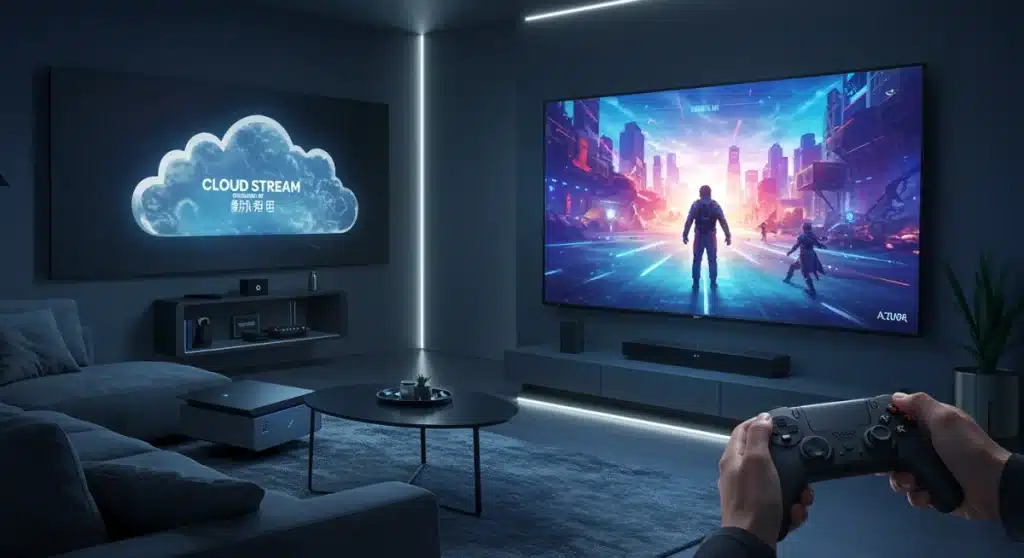
Imagine a world where your console’s power isn’t limited by the plastic box under your TV. As we look toward 2026, the Future of Cloud Gaming on Consoles is shifting from a niche convenience to a fundamental pillar of the digital ecosystem.
Industry titans are no longer just testing the waters; they are diving deep into server-side processing to eliminate traditional hardware barriers. This seismic shift in remote play technology promises to deliver high-fidelity experiences across hybrid systems and legacy hardware alike.
From Xbox’s ecosystem expansion to PlayStation’s streaming refinements, the next chapter of interactive entertainment is being written in the data center. Exploring these strategic roadmaps reveals a horizon where instant-access play becomes the universal standard for gamers worldwide.
The Evolving Landscape of Cloud Gaming on Consoles
The concept of cloud gaming, where games are processed on remote servers and streamed to devices, has been around for some time, but its integration into the console ecosystem is reaching a critical inflection point.
By December 2026, this technology is expected to be a far more pervasive and polished component of how we play.
Early iterations faced challenges related to latency, visual fidelity, and internet infrastructure limitations. However, significant investments in data centers, network optimization, and encoding technologies are steadily overcoming these hurdles, paving the way for a robust future for cloud gaming.
The shift towards cloud gaming also represents a strategic move for console manufacturers, allowing them to expand their reach beyond traditional hardware sales.
It offers a pathway to subscription-based models and broader accessibility, fundamentally altering the economics of the gaming industry.
Microsoft’s Xbox Cloud Gaming Dominance
Microsoft has consistently been at the forefront of cloud gaming, with Xbox Cloud Gaming (formerly Project xCloud) integrated into Xbox Game Pass Ultimate.
Their strategy focuses on making gaming accessible across a multitude of devices, not just consoles, and this multi-platform approach will define the future of cloud gaming on consoles.
By December 2026, Microsoft is expected to further enhance its cloud infrastructure, offering higher resolutions, reduced latency, and potentially streaming Xbox Series X-level experiences. This push aims to solidify their position as a leader in the cloud-powered gaming ecosystem.
- Expanded device support beyond mobile and PC to smart TVs and other embedded systems.
- Integration of advanced AI upscaling and compression technologies for superior visual quality.
- Increased availability in new regions, reducing geographical limitations for players.
The company’s commitment to cloud gaming is evident in their continuous investment in server farms and network optimization. This dedication ensures that the experience for current and future Xbox console owners will be increasingly cloud-centric.
Sony’s PlayStation Plus Evolution
Sony’s approach to cloud gaming has historically been more conservative, primarily focusing on its PlayStation Plus Premium tier, which offers a catalog of streamable games.
However, competitive pressures and technological advancements are likely to spur more aggressive expansion in the future of cloud gaming on consoles.
By December 2026, Sony is anticipated to significantly upgrade its PlayStation Plus streaming capabilities. This could include offering current-generation PlayStation 5 titles via the cloud, a feature currently limited to older PS4 games and classic titles.
- Introduction of PlayStation 5 game streaming, allowing players to access new releases without downloads.
- Improved streaming quality, targeting 4K resolution and higher frame rates for a premium experience.
- Potential integration of cloud streaming as a backup or primary option for digital game purchases.
Sony’s strategy will likely leverage its strong first-party exclusive titles to attract and retain subscribers. The ability to stream these highly sought-after games without a lengthy download would be a major draw, redefining the future of cloud gaming on consoles for PlayStation users.
Nintendo’s Niche Cloud Strategy
Nintendo has taken a more selective approach to cloud gaming, primarily utilizing it to bring graphically demanding third-party titles to the Nintendo Switch that would otherwise be impossible to run natively.
This targeted application highlights a unique facet of the future of cloud gaming on consoles.
While Nintendo’s focus remains on portability and unique gameplay mechanics, cloud streaming offers a valuable tool for expanding the Switch’s library.
By December 2026, this strategic use of cloud technology is expected to become more refined and potentially more widespread within their ecosystem.
The company could explore hybrid models where parts of a game run locally while others are streamed, or offer more robust cloud-only experiences for future hardware.
Their long-term vision for the future of cloud gaming on consoles will likely complement their core philosophy rather than replace it.
Technological Advancements Driving Cloud Growth
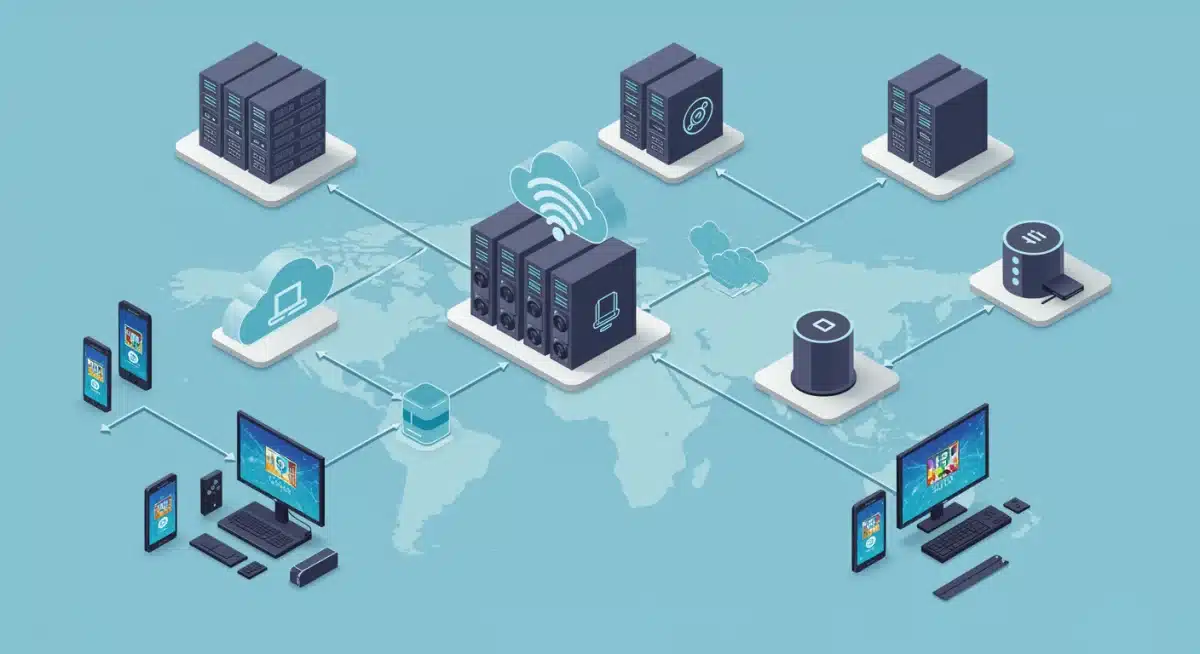
The rapid evolution of underlying technologies is the bedrock upon which the future of cloud gaming on consoles is being built. Significant improvements in internet infrastructure, particularly the rollout of 5G and fiber optics, are dramatically reducing latency and increasing bandwidth.
Furthermore, advancements in server hardware, including specialized GPUs and more efficient data center architectures, are enabling more powerful and scalable cloud gaming experiences. These technological leaps are making the vision of seamless, high-fidelity game streaming a tangible reality.
Codec improvements and AI-driven optimization techniques are also playing a crucial role, allowing for better visual quality at lower bandwidths. This means that a wider range of players, even those with less robust internet connections, can enjoy the benefits of cloud gaming.
Impact on Console Hardware and Game Development
The rise of cloud gaming is already influencing the design and development cycles of console hardware.
While powerful local hardware remains important, the increasing reliance on cloud processing could lead to more flexible and potentially less expensive console iterations in the future of cloud gaming on consoles.
Developers are also adapting their workflows to optimize games for streaming environments, considering factors like net code, asset loading, and input lag. This ensures that games perform optimally whether they are running locally or being streamed from the cloud.
The potential for cloud-native games, designed from the ground up to leverage distributed computing power, represents an exciting frontier. These games could offer experiences impossible on local hardware alone, fundamentally changing how games are conceived and played.
Subscription Models and Accessibility
Cloud gaming is intrinsically linked to the proliferation of subscription models, offering players access to vast libraries of games for a recurring fee. This shift in consumption patterns is a major driver behind the future of cloud gaming on consoles.
These services significantly lower the barrier to entry for many players, as they no longer need to purchase expensive hardware or individual game titles upfront. It democratizes access to a wide array of gaming experiences, fostering a more inclusive gaming community.
The convenience of instant play, without the need for lengthy downloads or installations, is another key appeal. Players can jump into games almost immediately, moving seamlessly between devices without losing progress, which is a core promise of the future of cloud gaming on consoles.
Challenges and Consumer Concerns
Despite the significant progress, challenges persist for cloud gaming. Internet latency and bandwidth remain critical factors, especially in regions with underdeveloped infrastructure.
Ensuring a consistent, high-quality experience for all users is a continuous effort for the future of cloud gaming on consoles.
Consumer concerns about ownership of digital content and the potential for service disruptions also need to be addressed. Platforms must build trust by offering reliable services and clear policies regarding game access and archival.
The environmental impact of large data centers, while often more efficient than individual consoles, is another area of increasing scrutiny. Companies are investing in renewable energy and sustainable practices to mitigate these concerns as cloud gaming expands.
The Role of Major Platforms in Overcoming Hurdles
Major platforms are investing heavily in global data center networks and partnerships with internet service providers to tackle connectivity issues.
These collaborations are vital for delivering low-latency streaming experiences to a broader audience, which is essential for the future of cloud gaming on consoles.
They are also developing sophisticated algorithms for dynamic resolution scaling and predictive input processing to minimize the impact of network fluctuations. These technical innovations aim to make the cloud gaming experience virtually indistinguishable from local play.
Transparency with consumers about service expectations and robust customer support are crucial for building confidence in cloud gaming. As the technology matures, addressing these concerns will be paramount for widespread adoption.
| Key Development | Anticipated Impact by 2026 |
|---|---|
| Xbox Cloud Expansion | Higher fidelity streaming, broader device compatibility for Xbox Game Pass titles. |
| PlayStation Plus Upgrades | PS5 game streaming, improved resolution and frame rates for Premium subscribers. |
| Nintendo’s Cloud Integration | More seamless cloud-streamed third-party titles, potentially new hybrid models. |
| Technological Advancements | Reduced latency, improved visual quality, and wider accessibility due to 5G and fiber. |
Frequently Asked Questions About Cloud Gaming on Consoles
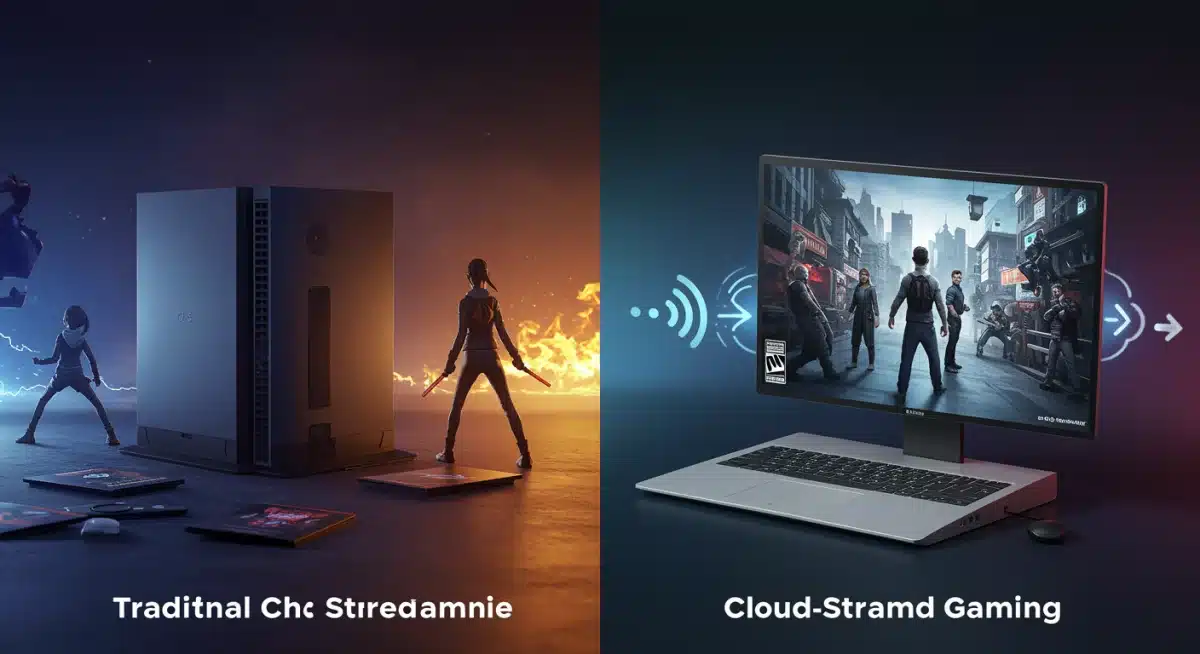
It is unlikely that cloud gaming will fully replace traditional console hardware by December 2026. Instead, it is expected to complement existing consoles, offering an alternative way to access games and expanding the reach of gaming experiences across various devices.
For a smooth cloud gaming experience, a stable internet connection of at least 20-25 Mbps is generally recommended for 1080p streaming. Higher speeds, especially with lower latency, will be beneficial for 4K streaming and competitive play.
Cloud gaming often relies on subscription models, potentially reducing upfront game purchase costs but shifting towards recurring fees. Ownership of individual titles might become less common, with access being the primary mode, impacting traditional retail models.
Currently, not all console games are available through cloud streaming services. Each platform has a curated library, typically including a mix of older titles, some current-gen games, and exclusive offerings. This selection is expected to expand significantly by 2026.
Key benefits include instant access to a large game library without downloads, reduced need for powerful local hardware, cross-device play, and the potential to try new games easily. It offers flexibility and convenience, enhancing the overall gaming experience.
Looking Ahead: The Future of Cloud Gaming on Consoles
The trajectory for The Future of Cloud Gaming on Consoles points toward a more integrated, seamless, and accessible gaming ecosystem.
Major platforms are not just experimenting with cloud technology; they are investing heavily to make it a core component of their offerings.
This shift promises to redefine how players interact with games and how developers create them, ultimately expanding the reach and diversity of the gaming world.
