The Evolution of Console Cross-Play: What 2026 Means for Multiplayer Gaming Across Platforms
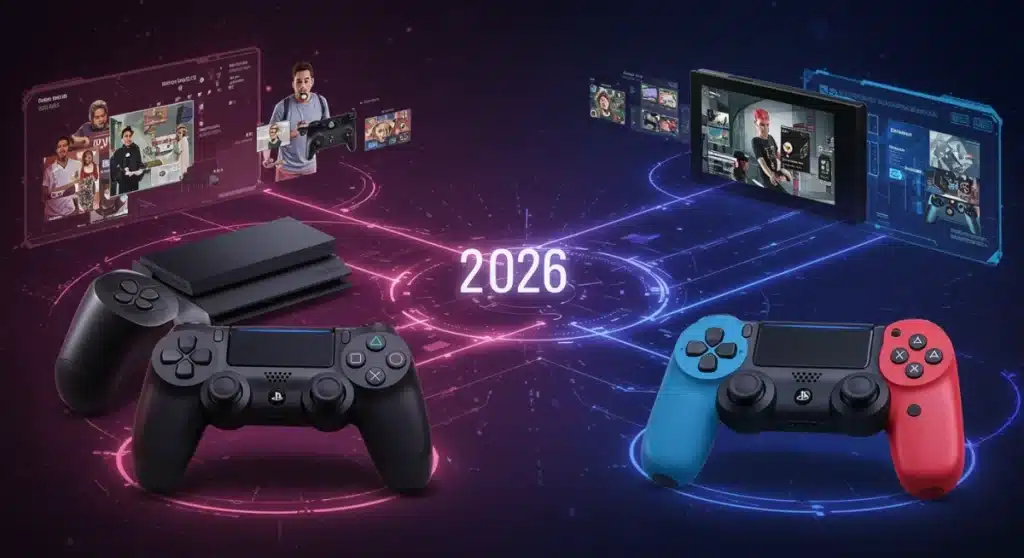
The year 2026 marks a definitive era for Console Cross-Play, as the invisible walls between hardware ecosystems finally crumble. What was once a rare technical feat has evolved into a baseline expectation for the modern gaming community.
Today’s players demand a unified environment where platform-agnostic experiences are the standard. This shift ensures that whether you are on a handheld or a home system, the multiplayer landscape remains seamlessly interconnected and accessible.
As digital boundaries vanish, staying informed on these cross-platform advancements is essential for every gamer. Discover how this new level of hardware synergy is redefining social connectivity and the future of competitive play.
The Current State of Cross-Play: Foundations for 2026
As of late 2024, cross-play functionality has become a cornerstone for many prominent multiplayer titles. Major developers and platform holders have increasingly embraced the concept, recognizing its value in fostering larger, more vibrant player communities.
This widespread adoption has laid critical groundwork, addressing many of the initial technical and logistical hurdles. The lessons learned from integrating cross-play in current-generation consoles are directly influencing future strategies.
The consumer demand for seamless cross-platform experiences continues to grow, pushing boundaries and accelerating innovation. Players expect to connect with friends regardless of their preferred gaming hardware, making console cross-play a pivotal point.
Technological Leaps Paving the Way
Advancements in networking infrastructure and cloud computing are instrumental in facilitating robust cross-play. Lower latency and improved data transfer capabilities are reducing the technical disparities between different gaming environments.
Standardized development tools and engines now offer more native support for cross-platform integration, simplifying the process for game creators. This reduces development costs and accelerates the implementation of cross-play features.
Industry Collaboration and Open Standards
Publishers and platform owners are increasingly engaging in collaborative efforts to create more unified ecosystems. This includes agreements on shared friend lists, universal progress tracking, and integrated voice chat solutions, all crucial for the next phase of console cross-play.
The push for open standards in online multiplayer services is gaining momentum, aiming to reduce proprietary barriers. Such initiatives promise a future where cross-play is not just a feature, but a fundamental aspect of the gaming experience.
Anticipating the Broad Impact of Console Cross-Play 2026
By 2026, console cross-play is expected to fundamentally alter how multiplayer games are designed, marketed, and played. The traditional boundaries between console ecosystems will continue to blur, leading to a more unified player base.
Developers will likely prioritize cross-platform compatibility from a game’s inception, rather than adding it as an afterthought. This shift will influence game engines, server architectures, and content strategies, ensuring a cohesive experience.
The implications extend beyond just gameplay, affecting competitive esports, social interactions, and even hardware purchasing decisions. A truly interconnected gaming world is on the horizon, driven by the demands of players and the vision of industry leaders.
Unified Player Communities and Friend Systems
One of the most significant impacts will be the creation of truly unified player communities. Friends will no longer be limited by their console choice, fostering stronger social bonds and expanding potential multiplayer groups.
This convergence will necessitate more robust and platform-agnostic friend management systems. Expect to see enhanced in-game social hubs and universal friend lists that seamlessly integrate across Xbox, PlayStation, Nintendo, and PC platforms, a key aspect of console cross-play.
- Cross-platform friend invites and party formation.
- Shared game progression and achievements across devices.
- Integrated voice and text chat solutions for all players.
Challenges and Solutions for Seamless Cross-Play by 2026
While the benefits of widespread cross-play are clear, significant challenges remain on the path to a truly seamless experience by 2026. These include technical disparities, security concerns, and ensuring fair play across diverse input methods.
Addressing these issues requires ongoing collaboration between platform holders, developers, and community managers. Proactive solutions are being developed to mitigate potential problems before they impact the player experience, crucial for the success of console cross-play.
The industry is committed to overcoming these hurdles, understanding that the long-term success of cross-play depends on maintaining a high standard of quality and fairness for all players, regardless of their platform.
Balancing Input Methods and Competitive Integrity
The disparity between controller and keyboard/mouse input remains a key concern in competitive cross-play environments. Developers are exploring various solutions, such as input-based matchmaking or dedicated cross-play ranked modes.
Ensuring competitive integrity is paramount, especially in esports. By 2026, expect more sophisticated algorithms and design choices to balance gameplay, allowing all players to compete fairly and enjoy the console cross-play experience.
Security and Anti-Cheat Measures
With a larger, more diverse player base comes increased vulnerability to cheating and security breaches. Robust anti-cheat systems and enhanced data protection protocols are essential for maintaining trust and a fair gaming environment.
Platform holders and game developers are investing heavily in advanced security technologies and shared threat intelligence. This collaborative approach aims to create a secure cross-play ecosystem that protects players across all platforms.
Platform Holder Strategies and Business Models for 2026
Each major platform holder—Sony, Microsoft, and Nintendo—is approaching console cross-play with distinct strategies, yet a common goal of enhancing player engagement. Their business models are adapting to this interconnected future.
Microsoft has historically been a strong proponent of cross-play, integrating it deeply into the Xbox ecosystem and PC gaming. This strategy is expected to continue, leveraging Game Pass and a unified player experience.
Sony, while initially more cautious, has progressively embraced cross-play, recognizing its importance for competitive titles and community growth.
Nintendo continues its selective approach, prioritizing family-friendly experiences and specific multiplayer genres, but is also expanding cross-play support.
Microsoft’s Xbox Ecosystem and Game Pass
Microsoft’s strategy revolves around its Xbox ecosystem, which increasingly blurs the lines between console, PC, and cloud gaming. Game Pass is a central pillar, offering a vast library of cross-play enabled titles, further solidifying its commitment to console cross-play.
The integration of Xbox Cloud Gaming (xCloud) also plays a crucial role, allowing players to access their games and friends across an even wider array of devices. This expansive vision aims to make Xbox a platform-agnostic service, focused on player choice and accessibility.
- Expansive Game Pass library with cross-play integration.
- Seamless progression and achievement syncing across devices.
- Strong emphasis on PC-Xbox cross-play initiatives.
Sony’s Evolving Stance on Cross-Play and PlayStation
Sony’s journey with cross-play has been more gradual, but its commitment has solidified over recent years. Initially hesitant, PlayStation now supports cross-play for many of its biggest titles, acknowledging its necessity for the modern multiplayer landscape.
The focus for PlayStation cross-play in 2026 will likely be on ensuring premium experiences and leveraging its strong first-party portfolio. While maintaining its distinct brand identity, Sony understands the value of an open multiplayer environment for its players.
Expect to see continued investment in robust online infrastructure and seamless integration of cross-play features within PlayStation Network. The goal is to provide a competitive and enjoyable multiplayer experience, central to the future of console cross-play.
Nintendo’s Selective but Growing Cross-Play Support
Nintendo’s approach to cross-play has been more selective, often prioritizing games that benefit most from broader player pools, such as Fortnite and Rocket League. This strategy aligns with its unique market position and family-friendly focus.
By 2026, Nintendo is expected to continue this selective expansion, particularly for titles that naturally lend themselves to cross-platform interaction. The emphasis will remain on quality and ensuring that cross-play enhances the unique Nintendo experience, rather than detracting from it.
- Strategic cross-play implementation for key titles.
- Focus on seamless integration for family-friendly games.
- Continued support for popular third-party cross-play experiences.
The Role of Cloud Gaming in Shaping Console Cross-Play 2026
Cloud gaming services are poised to be a major catalyst in the evolution of cross-play by 2026. By decoupling games from specific hardware, cloud platforms inherently promote a more fluid, cross-device gaming experience.
Services like Xbox Cloud Gaming, GeForce NOW, and PlayStation Plus Premium are making high-fidelity games accessible on a wider range of devices, from smartphones to smart TVs. This dramatically expands the potential player base for cross-play enabled titles.
The future of console cross-play will be deeply intertwined with the growth and technological maturity of cloud gaming. This fusion promises a truly hardware-agnostic multiplayer future, where the game is the primary focus.
Hardware Agnosticism and Accessibility
Cloud gaming fundamentally shifts the focus from owning powerful hardware to accessing games instantly via streaming. This hardware agnosticism naturally aligns with the principles of cross-play, breaking down barriers between different gaming setups.
This increased accessibility means more players can participate in multiplayer games, regardless of their budget or preferred device. This democratizing effect will further fuel the adoption and importance of console cross-play.

What 2026 Means for Game Developers and Publishers
For game developers and publishers, 2026 signifies a mature cross-play environment that will influence every stage of game production. From initial concept to post-launch support, cross-platform considerations will be paramount.
This means investing in robust backend infrastructure capable of handling diverse player populations and data synchronization across multiple platforms. Development pipelines will need to be optimized for simultaneous multi-platform releases with integrated cross-play features.
The market for multiplayer games will become increasingly competitive, with cross-play being a non-negotiable feature for many players. Publishers will leverage cross-play to maximize audience reach and extend the lifespan of their titles, especially in the context of console cross-play.
Monetization and Live Service Games
Live service games, which thrive on ongoing engagement and content updates, will particularly benefit from expanded cross-play. A larger, unified player base translates to increased opportunities for in-game purchases and battle pass sales.
Publishers will refine their monetization strategies to be platform-agnostic, ensuring a consistent and fair experience for all players. This includes shared storefronts, universal currency, and synchronized content updates across all supported platforms, a key driver for console cross-play.
Player Experience and Community Building by 2026
Ultimately, the success of console cross-play hinges on the player experience and its ability to foster vibrant, inclusive communities. The goal is to create environments where every player feels connected and valued, regardless of their chosen platform.
Improved social features, easier group formation, and broader matchmaking pools will enhance the overall enjoyment of multiplayer games. This interconnectedness will also reduce queue times and ensure a diverse range of opponents for all skill levels.
The emphasis will be on creating seamless transitions between platforms, allowing players to pick up and play with friends effortlessly. This focus on user-centric design will define the next generation of cross-platform multiplayer.
Esports and Competitive Gaming
The expansion of cross-play will have a profound impact on competitive gaming and esports. Larger player pools mean a wider talent search, potentially leading to more diverse and exciting competitive scenes.
Organizers of esports events will need to adapt to cross-platform competition, addressing issues like input device standardization and server infrastructure. The vision for console cross-play includes a future where the best players, not just those on a specific platform, rise to the top.
| Key Point | Brief Description |
|---|---|
| Unified Player Bases | Cross-play fosters larger, interconnected communities regardless of hardware choice. |
| Technological Advancements | Improved networking, cloud gaming, and development tools enable seamless cross-platform play. |
| Industry Collaboration | Platform holders are increasingly working together on shared features and open standards. |
| Enhanced Player Experience | Easier social interaction, broader matchmaking, and fairer competitive environments are expected. |
Frequently Asked Questions About Console Cross-Play 2026
By 2026, it means a significantly more integrated multiplayer experience across PlayStation, Xbox, Nintendo, and PC. Players will face fewer barriers to playing with friends on different platforms, benefiting from unified friend lists, shared progress, and expanded matchmaking pools.
While not every single game will support it, console cross-play 2026 will be a standard feature for most major multiplayer titles. Developers are increasingly prioritizing it from the outset, driven by player demand and industry trends toward unified ecosystems.
Developers are implementing solutions like input-based matchmaking, where players are matched with others using similar control schemes. Dedicated cross-play ranked modes and refined balancing will ensure fair competition across diverse input methods, crucial for console cross-play 2026.
Cloud gaming will be a major enabler, promoting hardware agnosticism. By streaming games to various devices, cloud platforms inherently foster cross-device play, making multiplayer titles accessible to a wider audience regardless of their specific hardware or console choice.
With more interconnected systems, security is a priority. Platform holders and developers are investing in advanced anti-cheat and data protection measures. Collaborative efforts aim to create a secure cross-play ecosystem that maintains trust and ensures fair play for all participants.
Looking Ahead
The trajectory of console cross-play points towards a more integrated and accessible future for gamers.
As technological advancements continue and industry collaboration deepens, players can anticipate a landscape where platform boundaries become increasingly irrelevant.
This shift will not only enhance individual gaming experiences but also reshape competitive esports and community building, making 2026 a landmark year for interconnected gaming.
