The Future of Cloud Gaming on PC: What to Expect from Services in the Next 6 Months of 2026
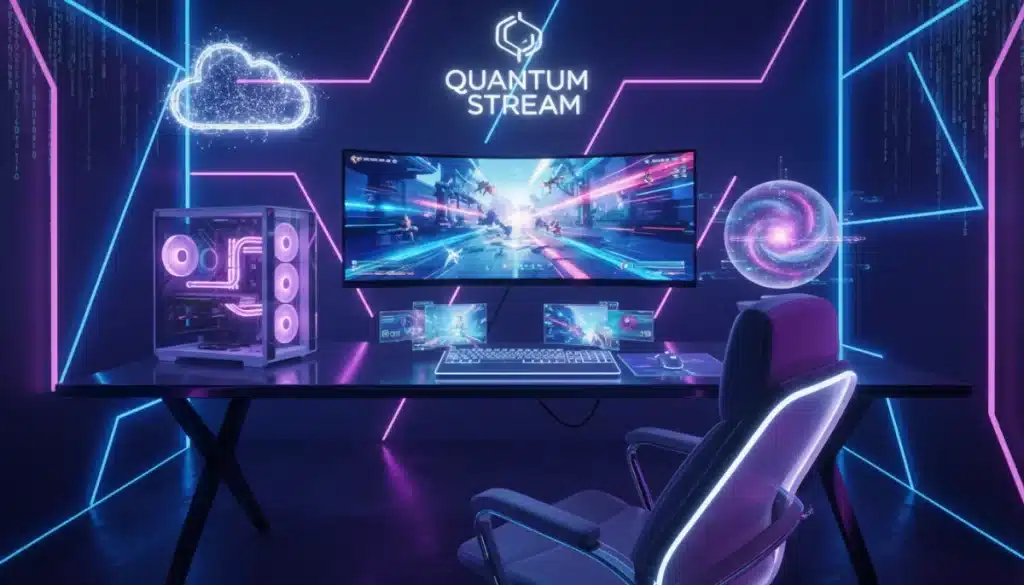
As the hardware landscape shifts, the Future of Cloud Gaming on PC is entering a transformative phase this year. With high-performance rigs now accessible via any browser, the traditional barriers to entry for high-end titles are rapidly disappearing across the United States.
Industry giants are rolling out advanced streaming architectures that prioritize low latency and 4K fidelity. These virtualized environments allow players to sync their existing libraries across multiple devices, ensuring a seamless transition from desktop to portable screens.
Over the next six months, expect a surge in platform-agnostic updates and new subscription tiers. Staying informed on these remote rendering breakthroughs will be essential for gamers looking to bypass expensive hardware upgrades while maintaining a competitive edge.
The Current Landscape of Cloud Gaming on PC
The cloud gaming sector for PC has seen remarkable growth, evolving from a niche concept to a significant player in the gaming industry.
Major services like GeForce NOW, Xbox Cloud Gaming, and Amazon Luna continue to refine their offerings, pushing boundaries in performance and accessibility.
As we approach the latter half of 2026, the focus shifts towards enhanced infrastructure, broader game libraries, and more seamless integration with existing PC ecosystems.
Industry analysts predict a period of intense competition and innovation, driven by consumer demand for high-quality, flexible gaming options.
This evolving environment sets the stage for critical developments that will define The Future of Cloud Gaming on PC, particularly concerning technological advancements and market dynamics.
Technological Leaps and Infrastructure Upgrades
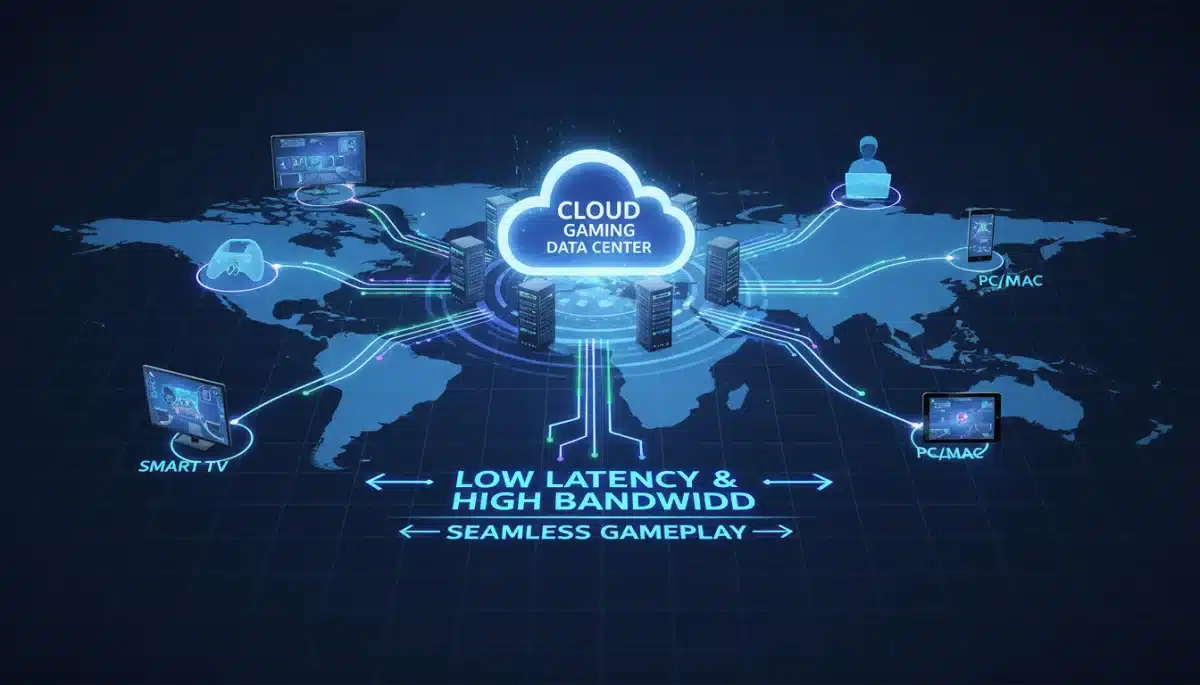
Significant investments in data center capabilities and network infrastructure are underway, promising a substantial reduction in latency and improved visual fidelity.
These upgrades are crucial for delivering a truly console-like or even superior experience on PC through the cloud.
Expect to see more widespread adoption of advanced streaming codecs and adaptive bitrate technologies, ensuring stable gameplay even with fluctuating internet speeds.
These technical enhancements are fundamental to addressing long-standing criticisms of cloud gaming performance.
The push for 5G and fiber optic expansion across the United States will further bolster these efforts, making high-quality cloud gaming accessible to a larger demographic. This infrastructure development is central to understanding The Future of Cloud Gaming on PC.
Advancements in Streaming Technology
New compression algorithms are on the horizon, designed to deliver higher visual quality with less bandwidth. This means sharper images and more fluid motion, even in graphically intensive games, without requiring ultra-fast internet connections.
Adaptive sync technologies, traditionally found in dedicated gaming monitors, are being integrated into cloud streaming protocols. This innovation aims to eliminate screen tearing and stuttering, providing a smoother and more responsive gaming experience for PC users.
Cloud Server Innovations
- GPU Upgrades: Cloud providers are continuously updating their server-side GPUs to match or exceed the performance of high-end consumer hardware, ensuring games run at maximum settings.
- Distributed Edge Computing: Moving server nodes closer to end-users to minimize latency, crucial for competitive online gaming.
- AI-Powered Optimization: Utilizing artificial intelligence to dynamically adjust streaming parameters based on network conditions and user preferences.
Expanding Game Libraries and Exclusive Content
A key battleground for cloud gaming services will be the expansion of their game libraries, including day-one releases and exclusive titles. Partnerships with major publishers are becoming increasingly vital to attract and retain subscribers.
Expect to see more strategic acquisitions and content deals designed to differentiate services from one another. This competitive drive will directly benefit PC gamers by offering a wider array of titles without the need for local installations or powerful hardware.
The availability of a diverse and compelling game catalog is paramount for the sustained growth of cloud gaming, directly influencing The Future of Cloud Gaming on PC.
Publisher Partnerships and Day-One Releases
Major gaming events and announcements in the coming months will likely feature new cloud gaming partnerships. Publishers are recognizing the vast potential of cloud platforms to reach a broader audience, especially those without high-end PCs.
The trend of launching new AAA titles simultaneously on cloud platforms and traditional storefronts is expected to accelerate. This ensures that cloud subscribers don’t feel like they are getting a secondary experience, but rather a primary one.
Indie Game Integration
- Curated Collections: Cloud services will likely introduce more curated collections of indie games, providing a platform for smaller developers to reach a global audience.
- Developer Tools: Enhanced tools and support for indie developers to optimize their games for cloud streaming will become more common.
- Subscription Tier Benefits: Some services might offer exclusive access to certain indie titles as part of premium subscription tiers.
Subscription Models and Pricing Strategies
The next six months will likely see an evolution in subscription models and pricing strategies as services vie for market share. Expect more flexible tiers, including ad-supported options or pay-per-hour models, alongside existing premium subscriptions.
Bundling with other digital services, such as video streaming or music, could become a common tactic to increase perceived value. This innovative approach aims to attract users who might be hesitant to commit to a standalone gaming subscription.
Understanding these shifts in pricing and packaging is crucial for consumers evaluating The Future of Cloud Gaming on PC.
Cross-Platform Integration and Device Support
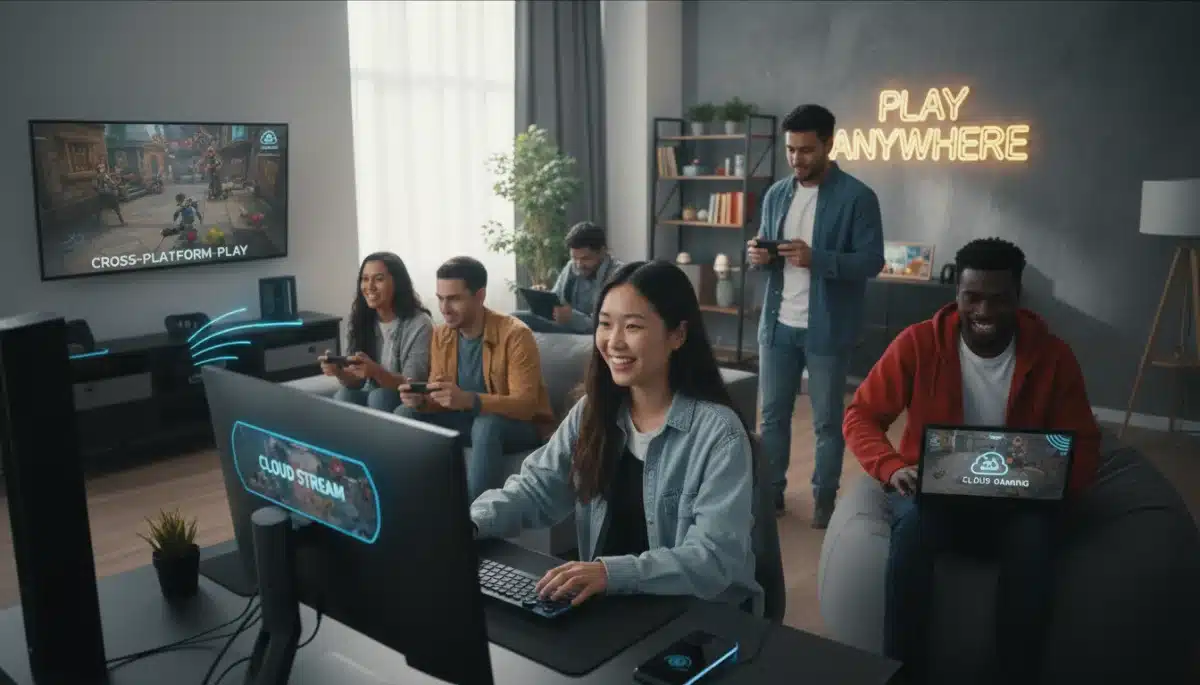
Seamless cross-platform integration will be a major focus, allowing users to switch effortlessly between PC, mobile devices, smart TVs, and potentially dedicated streaming sticks without losing progress. This flexibility is a core promise of cloud gaming.
The development of universal controller support and improved peripheral compatibility will also be prioritized. The goal is to make the cloud gaming experience as indistinguishable as possible from local gaming, regardless of the device used.
These advancements will define the accessibility and convenience aspects of The Future of Cloud Gaming on PC for a broad user base.
Universal Gaming Experience
Efforts to standardize user interfaces across different devices will enhance the overall user experience. This means a familiar navigation and control scheme whether you’re playing on a desktop or a tablet.
Cloud saves and progress synchronization will become even more robust, ensuring that a player can pick up exactly where they left off, regardless of the device or location. This seamless transition is a major draw for modern gamers.
Expanding Device Ecosystems
- Smart TV Integration: More direct app support for smart TVs, eliminating the need for external hardware.
- Handheld Cloud Devices: Continued innovation in portable devices specifically designed for cloud gaming, offering a dedicated experience.
- Browser-Based Access: Enhanced browser compatibility and performance, making cloud gaming accessible from virtually any internet-connected device.
User Experience Enhancements and Personalization
Beyond raw performance, cloud gaming services will heavily invest in refining the user experience. This includes more intuitive interfaces, personalized game recommendations, and robust social features that mimic traditional gaming platforms.
Artificial intelligence will play a larger role in curating content and optimizing streaming settings based on individual player habits and network conditions. This aims to create a more tailored and enjoyable gaming journey for each user.
These personalized touches are vital for making cloud gaming feel less like a utility and more like a premium, integrated service, shaping The Future of Cloud Gaming on PC.
AI-Driven Recommendations
Expect algorithms that learn from your play history, genre preferences, and even emotional responses to games, offering highly relevant suggestions. This moves beyond simple popularity metrics to truly personalized discovery.
AI will also assist in dynamic content loading, pre-fetching games it anticipates you might play next, further reducing wait times and improving responsiveness. This predictive capability enhances the overall fluidity of the service.
Social Features and Community Building
- Integrated Voice Chat: Direct voice chat within the cloud gaming platform, bypassing the need for third-party applications.
- Shared Play Sessions: Easy initiation of shared play sessions with friends, regardless of their device or location.
- Community Hubs: Dedicated spaces for users to discuss games, share tips, and connect with other players on the platform.
Regulatory Challenges and Market Consolidation
The rapid growth of cloud gaming has attracted the attention of regulators worldwide, particularly concerning market dominance and anti-competitive practices. The next six months may see further scrutiny and potential policy adjustments impacting service providers.
Consolidation within the industry, through mergers and acquisitions, is also a distinct possibility. Larger technology companies may seek to acquire smaller cloud gaming startups to bolster their own offerings and expand their market reach.
These external factors will undoubtedly influence the strategic decisions of cloud gaming providers and consequently, The Future of Cloud Gaming on PC.
Antitrust Concerns
Regulatory bodies are increasingly examining the market share of major tech players in the cloud gaming space. Concerns about monopolies or unfair advantages could lead to new guidelines or restrictions on how these services operate.
The interoperability of cloud gaming platforms and the portability of user data are also areas under review. Regulators aim to ensure a fair and open ecosystem for both consumers and smaller competitors.
Mergers and Acquisitions
- Strategic Buyouts: Larger tech companies acquiring cloud gaming specialists to integrate their technology and expertise.
- Content-Driven Mergers: Gaming publishers acquiring cloud platforms to ensure direct distribution of their titles.
- Regional Expansion: Companies merging to gain a stronger foothold in specific geographic markets.
The Role of 5G and Edge Computing
The continued rollout and refinement of 5G networks and edge computing infrastructure are pivotal for the ultimate success of cloud gaming on PC. These technologies promise to drastically reduce latency, which is a critical factor for a responsive gaming experience.
Edge computing, by bringing processing power closer to the user, minimizes the distance data needs to travel, making cloud gaming feel almost instantaneous. This is particularly important for competitive multiplayer titles where every millisecond counts.
The synergy between 5G and edge computing will be a defining characteristic of The Future of Cloud Gaming on PC, enabling experiences previously deemed impossible.
Sustainability and Energy Consumption
As cloud gaming scales, the energy consumption of massive data centers becomes a significant environmental consideration. Expect a growing emphasis on sustainable practices and energy-efficient technologies from major providers.
Companies will likely invest in renewable energy sources for their data centers and optimize server utilization to minimize their carbon footprint. Transparency in reporting these efforts could become a key differentiator for environmentally conscious consumers.
Addressing these environmental concerns will be an important aspect of responsibly shaping The Future of Cloud Gaming on PC.
Green Data Centers
Innovation in cooling systems and power management within data centers will lead to more energy-efficient operations. This not only reduces environmental impact but also lowers operational costs for providers.
The use of AI to dynamically allocate resources and shut down idle servers will further contribute to energy savings. This intelligent management ensures that power is only consumed when actively needed for gaming sessions.
Renewable Energy Initiatives
- Solar and Wind Power: Cloud gaming providers partnering with renewable energy farms or investing in their own green energy infrastructure.
- Carbon Neutrality Goals: Public commitments from companies to achieve carbon neutrality within specific timelines for their cloud operations.
- Eco-Friendly Hardware: Sourcing server components that are manufactured with sustainable materials and processes.
| Key Point | Brief Description |
|---|---|
| Infrastructure Boost | Enhanced data centers and 5G integration for lower latency and better graphics. |
| Content Expansion | More day-one releases and exclusive titles through strategic partnerships. |
| Flexible Subscriptions | Evolution of pricing models, including potential ad-supported tiers. |
| Seamless Experience | Improved cross-platform play and AI-driven personalization. |
Frequently Asked Questions About Cloud Gaming on PC
While cloud gaming will significantly advance, it is unlikely to fully replace traditional PC gaming within the next six months. It will rather serve as a complementary option, attracting new users and offering flexibility, especially for those without high-end hardware. The market will see continued coexistence and growth in both sectors.
For optimal cloud gaming on PC in 2026, a stable internet connection of at least 50-100 Mbps is generally recommended. However, with advancements in streaming technology and 5G rollout, even lower speeds might offer a playable experience, depending on the service and game. Higher speeds will always provide the best quality.
GeForce NOW, Xbox Cloud Gaming, and Amazon Luna are all poised for significant growth, driven by their respective ecosystems and content libraries. New entrants or strategic partnerships could also emerge, further intensifying competition. Each service offers unique benefits that appeal to different segments of the PC gaming audience.
Cloud gaming is expected to significantly lower PC hardware requirements for playing demanding titles. Users will primarily need a stable internet connection and a basic device capable of running a web browser or a dedicated client. This makes high-fidelity gaming accessible to a much broader audience, reducing the need for expensive component upgrades.
Yes, many cloud gaming services are already offering 4K resolution and are actively working towards higher refresh rates for PC users. With ongoing infrastructure upgrades and advancements in streaming technology, 4K at 60fps or even higher refresh rates will become more standard, especially for premium subscription tiers, enhancing the visual experience.
Looking Ahead
The next six months of 2026 represent a pivotal period for The Future of Cloud Gaming on PC. The industry is on the cusp of delivering a truly robust and ubiquitous gaming experience, driven by technological innovation, content expansion, and evolving business models.
Consumers should monitor announcements from major players and the ongoing development of 5G and edge computing infrastructure, as these factors will largely shape the landscape. The ultimate goal is to make high-quality PC gaming accessible to everyone, everywhere.
