Comparing the Top RPG Game Previews of 2026: Which One Offers the Most Immersive Experience?
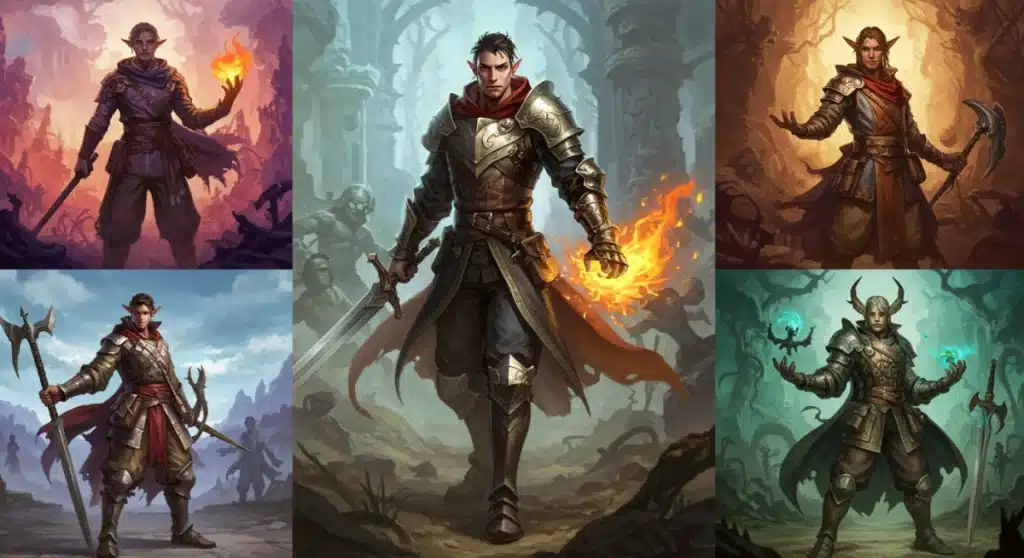
The year 2026 is shaping up to be a landmark for the genre, as the latest RPG Game Previews unveil worlds that blur the line between reality and digital fantasy. These upcoming titles aren’t just games; they are gateways to meticulously crafted dimensions waiting to be explored.
As anticipation reaches a fever pitch, we’ve analyzed the top role-playing contenders vying for your screen time. Our breakdown cuts through the marketing noise to focus on the narrative depth and mechanical innovation defining this new era of character-driven adventures.
Whether you crave boundless open worlds or intricate tactical combat, one of these epic sagas will likely become your next obsession. Join us as we compare the technical mastery and storytelling prowess that make these specific previews the absolute peak of gaming immersion.
Crimson Desert: A Masterpiece of Open-World Interaction
Crimson Desert stands as one of the most ambitious titles for 2026, evolving from an MMO concept into a massive single-player action RPG.
Developed by Pearl Abyss, it promises a level of environmental interaction rarely seen, where players can manipulate the world and engage in complex, physics-based combat.
The game follows the story of mercenaries struggling for survival in the vast continent of Pywel. Its preview showcases breathtaking visuals and a combat system that feels visceral, blending traditional swordplay with wrestling-inspired grapples and magical abilities.
-
Key Highlights: Seamless exploration, ultra-realistic weather effects, and a deep mercenary recruitment system that affects how you approach large-scale sieges.
The Blood of Dawnwalker: The Next Chapter from RPG Veterans
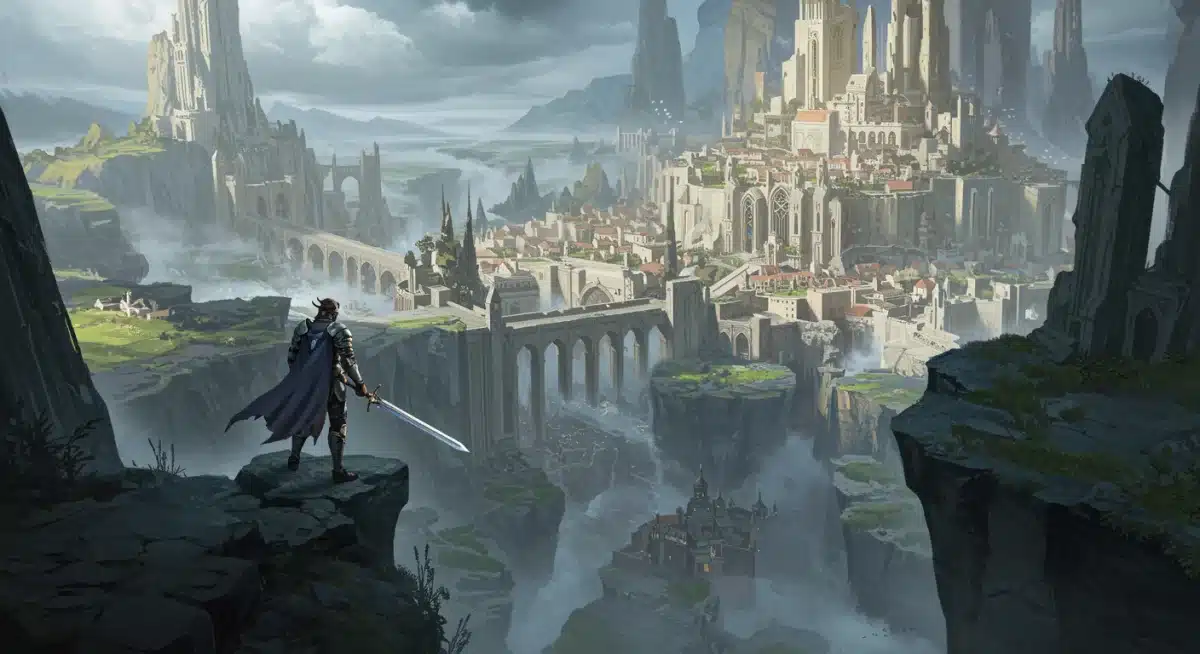
Developed by Rebel Wolves, a studio founded by former The Witcher 3 leads, The Blood of Dawnwalker is a dark fantasy RPG that prioritizes storytelling and player agency.
It aims to recapture the grit and narrative complexity of classic European role-playing games while utilizing the power of Unreal Engine 5.
The preview hints at a “distilled” RPG experience, focusing on quality over sheer map size. Players can expect a mature world where every choice has a moral weight, steering away from traditional hero tropes to explore the darker corners of a medieval-inspired universe.
-
Key Highlights: Choice-driven narrative, cinematic dialogue systems, and a world designed by the creative minds behind Geralt of Rivia’s most iconic quests.
Solasta 2: The Ultimate Tactical Tabletop Experience
For fans of turn-based strategy and D&D mechanics, Solasta 2 is the definitive contender.
Building on the tactical success of its predecessor, this sequel offers a refined CRPG experience with vertical environments and deep party customization based on the SRD 5.1 ruleset.
The preview highlights improved character models and more intricate dungeon designs that reward clever use of light and shadows. It positions itself as a more accessible yet equally deep alternative to Baldur’s Gate 3, focusing heavily on the “party-based” adventure feel.
-
Key Highlights: Authentic tabletop rules, tactical use of verticality, and an expanded “Dungeon Maker” tool that allows players to create and share their own campaigns.
Threads of Time: A Nostalgic Trip Through the Ages
Threads of Time is a love letter to 2.5D JRPGs, combining stunning Unreal Engine 5 backgrounds with high-quality pixel art.
Its core mechanic revolves around party-based time travel, allowing players to recruit heroes from different eras, from a prehistoric past to a distant, high-tech future.
The game’s immersion comes from its artistic versatility and the way actions in one era ripple across time to change the landscape of another. It features a turn-based combat system with a heavy emphasis on cinematic team-up attacks and strategic temporal manipulation.
-
Key Highlights: Breathtaking 2.5D aesthetic, eras spanning millions of years, and a combat system inspired by the golden age of 90s role-playing classics.
Code Vein 2: A Symphony of Blood and Steel
Code Vein 2 returns to a post-apocalyptic world where “Revenants” struggle against their own thirst for blood.
Building on the “Anime-Souls” foundation of the original, this sequel enhances the partner system, allowing for even more complex tactical synergies between you and your AI or co-op companions.
The preview showcases a hauntingly beautiful world powered by a modern engine, featuring vertical level designs and deep “Blood Code” customization.
Players can swap classes on the fly, experimenting with diverse builds to counter the aggressive and grotesque bosses that define this dark, cinematic universe.
-
Key Highlights: Highly flexible class system (Blood Codes), improved companion AI interactions, and a deep, tragic narrative centered on the cost of immortality.
Dragon Quest 7 Reimagined: A Classic Reborn in Full 3D
Dragon Quest 7 Reimagined breathes new life into one of the most expansive stories in the franchise’s history.
Moving away from the overhead perspectives of the past, this remake offers a fully realized 3D world that mirrors the visual fidelity of Dragon Quest XI, making the journey through fragmented islands feel truly epic.
The core of the experience remains its focus on “restoring” the world, one piece at a time.
The preview highlights how modern hardware allows for more expressive characters and seamless transitions between exploration and the iconic, turn-based battle system that fans have loved for decades.
-
Key Highlights: Massive “Vocation” (job) system for party customization, a world-building mechanic that changes the map as you progress, and a nostalgic yet modern aesthetic.
Nioh 3: The Peak of Technical Samurai Combat
Nioh 3 pushes the boundaries of Team Ninja’s signature “Masocore” gameplay, introducing even more fluid stance-switching and supernatural Yokai abilities.
This entry seeks to bridge the gap between historical Japan and a more expansive, interconnected world design that rewards exploration as much as combat mastery.
The preview highlights a faster, more responsive combat flow that emphasizes player skill and equipment synergy.
With new weapon types and a refined “Ki Pulse” mechanic, it offers a level of mechanical depth that challenges players to master every frame of animation to survive its brutal encounters.
-
Key Highlights: Triple-stance combat system for ultimate control, deep loot and crafting mechanics, and intense boss fights that blend history with dark Japanese folklore.
Comparing Immersion Factors Across the Previews
When Comparing the Top RPG Game Previews of 2026: Which One Offers the Most Immersive Experience?, several key factors come into play.
Crimson Desert excels in environmental interaction and physical presence, offering an open world where the physics-based combat feels visceral and real.
The Blood of Dawnwalker provides a gritty, narrative-heavy experience where player agency and moral ambiguity anchor the player to its dark world, while Threads of Time uses its innovative time-travel mechanics to create unparalleled narrative complexity across different eras.
Solasta 2, on the other hand, prioritizes tactical immersion and the feeling of a true tabletop adventure, forcing players into deep strategic thinking.
Each game offers a distinct pathway to immersion, catering to different player preferences—whether they crave the technical mastery of Nioh 3 or the nostalgic, expansive world-building of Dragon Quest 7.
Technological Advancements and Graphical Fidelity
These titles leverage cutting-edge engines, specifically Unreal Engine 5, to deliver stunning visuals, though their artistic directions vary significantly.
Crimson Desert focuses on hyper-realistic, sweeping landscapes and high-fidelity character models, while Threads of Time showcases a versatile engine capable of rendering a unique 2.5D aesthetic that blends modern lighting with nostalgic pixel art.
Code Vein 2 utilizes advanced particle effects and stylized lighting to enhance its “dark anime” atmosphere, immersing players in a moody, post-apocalyptic sprawl. Meanwhile, Nioh 3 pushes the boundaries of animation fidelity, ensuring that every frame of samurai combat is fluid and responsive, reinforcing the realism of its supernatural encounters.
-
Next-gen engines: Pushing the visual boundaries of open-world and tactical RPGs.
-
Artistic Versatility: Unique directions ranging from hyper-realism to stylized 2.5D.
-
Dynamic Effects: Advanced environmental rendering and lighting that react to player actions.
Sound Design and Musical Scores
The audio experience is a cornerstone of immersion in these 2026 previews. Dragon Quest 7 features a majestic, orchestral score that evokes a sense of grand adventure, coupled with soundscapes that make its restored islands feel alive.
In contrast, Code Vein 2 utilizes a haunting, synth-and-orchestra hybrid soundtrack to enhance its high-stakes, gothic atmosphere.
Threads of Time features music that adapts dynamically to each historical period, while Nioh 3 uses sharp, impactful sound effects, the clash of steel and the guttural roars of Yokai, to keep the player in a state of constant vigilance.
These carefully crafted soundscapes are designed to pull players deeper into their respective worlds, enhancing emotional resonance.
Anticipated Impact on the RPG Genre
The arrival of these highly anticipated RPGs is poised to set new benchmarks for the genre. The Blood of Dawnwalker might reignite interest in mature, choice-driven dark fantasy, while Crimson Desert could redefine what “open-world interaction” truly means.
The success of Threads of Time and Dragon Quest 7 suggests a powerful resurgence of high-budget, innovative turn-based experiences.
Collectively, these titles represent a push towards more diverse and engaging gameplay. Whether it is the technical combat precision of Nioh 3 or the tactical party management of Solasta 2, the 2026 lineup proves that the industry is moving toward deeper, more specialized player experiences.
Defining Next-Gen Immersion
The previews demonstrate that next-gen immersion is a holistic combination of visual, auditory, and interactive elements.
Each game strives to minimize the distance between player and avatar, whether through the subtle environmental cues in Crimson Desert or the impact of long-term temporal decisions in Threads of Time.
This focus on comprehensive immersion, where the world reacts to the player as much as the player reacts to the world, is the new standard.
-
Cohesive Design: Seamless integration of story, gameplay, and reactive environments.
-
Player Agency: Personalized journeys shaped by meaningful moral and tactical choices.
-
Sensory Depth: High-fidelity visuals paired with adaptive, compelling soundscapes.
| Key Feature | Immersion Focus |
|---|---|
| Crimson Desert | Physically Reactive World |
| The Blood of Dawnwalker | Narrative Sandbox |
| Narrative Sandbox | Temporal Continuity |
| Solasta 2 | Tabletop Fidelity |
Frequently Asked Questions About 2026 RPG Previews
The Blood of Dawnwalker stands out as the frontrunner for storytelling. Developed by industry veterans, it emphasizes a mature, “choice-and-consequence” sandbox where even choosing not to act has tangible repercussions. Its dark fantasy setting and focus on player agency promise a deeply personal and reactive cinematic experience.
Threads of Time is a prime example, featuring a grand-scale time-travel mechanic. It allows players to recruit heroes and solve challenges across vastly different eras—from the prehistoric age to a distant future.
Crimson Desert is currently the gold standard for visual and physical immersion. Utilizing a high-end proprietary engine, it delivers hyper-realistic environments where players can interact with almost every element of the world.
Yes, Solasta 2 centers on tactical depth and authentic tabletop mechanics. Following the SRD 5.2 ruleset, it emphasizes verticality in combat, party management, and environmental interaction.
These previews collectively push the boundaries of technical combat, historical reimagining, and narrative freedom. By blending next-gen engines like Unreal Engine 5 with specialized mechanics—such as Nioh 3’s technical stance-switching or Dragon Quest 7’s world-restoration—they are setting a new benchmark where immersion is a holistic blend of visuals, physics, and player choice.
Looking Ahead: The Future of RPG Immersion
The detailed previews for these RPGs in 2026 offer a tantalizing glimpse into the future of immersive gaming. Each title, in its unique way, contributes to a broader trend of pushing technological and narrative boundaries.
The competition for the most immersive experience is not just about sales, but about defining what truly captivates players in the next generation.
These games are poised to influence design philosophies for years to come, raising the bar for storytelling, world-building, and player agency.
As we continue comparing the Top RPG Game Previews of 2026, the ultimate winners will be the players who get to experience these groundbreaking worlds.
