The Future of Theatrical Release: Major US Chains Announce 20% Increase in Premium Format Screens for 2026
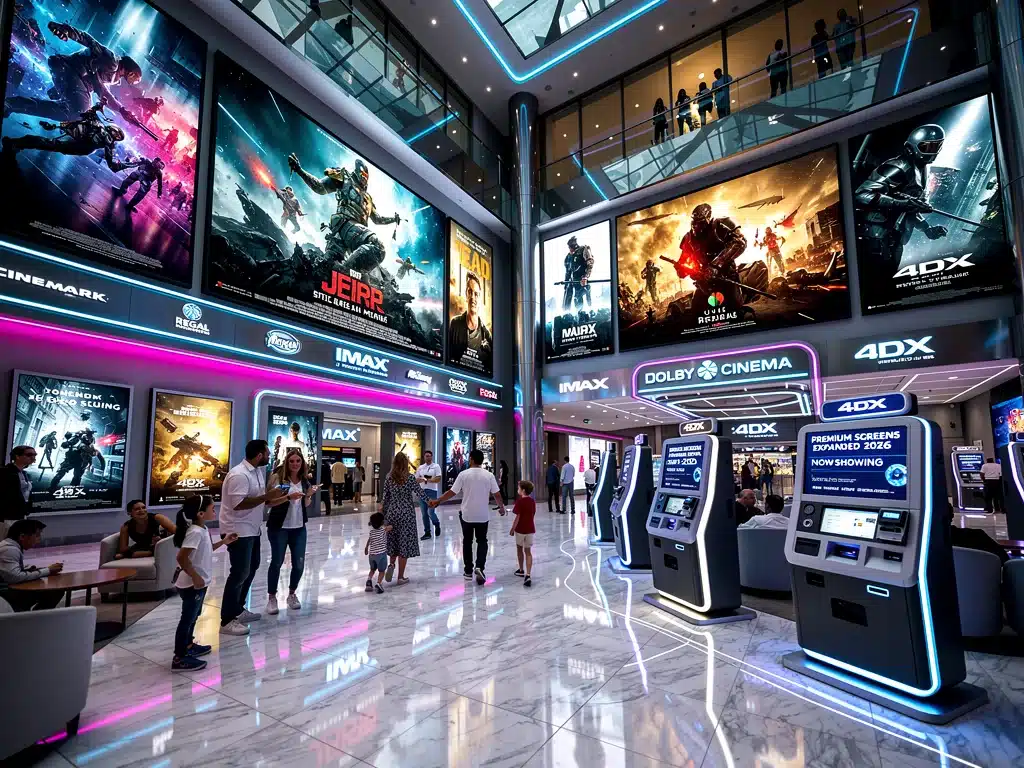
Forget the comfort of your couch. The Future of Theatrical Release is officially getting a massive upgrade, as major US cinema chains prepare to roll out a stunning 20% surge in premium large-format screens.
This ambitious expansion isn’t just about bigger displays; it represents a major industry pivot toward ultra-immersive cinema. By investing heavily in cutting-edge projection and sound, exhibitors are completely redefining the modern moviegoing experience.
By elevating the traditional silver screen, Hollywood is drawing a clear line in the sand against streaming. It’s a bold gamble on the irreplaceable magic of the communal box office, proving that some stories are simply meant to be experienced at full scale.
The Strategic Shift Towards Premium Formats
The decision by major US cinema chains to boost premium format screens by 20% is a direct response to changing market dynamics.
It reflects a clear understanding that standard screenings alone may no longer be sufficient to draw audiences away from convenient home entertainment options.
This strategic pivot prioritizes quality and immersion, offering moviegoers an experience that cannot be replicated elsewhere. It is a calculated move to enhance the value proposition of going to the movies, making it a destination event once again.
The investment in premium formats like IMAX, Dolby Cinema, and other large-format experiences is designed to elevate every aspect of the viewing experience. From enhanced visuals and audio to more comfortable seating, these upgrades are central to the future theatrical release strategy.
Driving Factors Behind the Expansion
Several key factors are driving this significant expansion in premium format screens. Post-pandemic viewing habits have shown a clear preference for high-quality content and experiences, both at home and in public spaces.
Furthermore, the increasing sophistication of home entertainment systems necessitates a superior in-cinema offering to remain competitive. This push for premium formats ensures that the big screen continues to offer a distinct and unparalleled experience.
The success of recent blockbusters shown in premium formats has also provided compelling data. These films consistently perform well, demonstrating that audiences are willing to pay a premium for an elevated viewing experience.
- Consumer Demand: Growing preference for immersive, high-quality cinematic experiences.
- Technological Advancements: Availability of superior projection and sound systems.
- Competitive Edge: Differentiating cinema from at-home streaming services.
- Proven Revenue: Higher ticket prices and consistent attendance for premium showings.
Impact on Moviegoers and the Cinematic Experience
For moviegoers across the United States, this 20% increase in premium format screens translates to more opportunities to experience films in their most spectacular presentations. It means access to cutting-edge technology that brings stories to life with unparalleled clarity and impact.
This expansion promises a more consistent and high-quality cinematic experience, regardless of location. Audiences can anticipate richer visuals, more dynamic sound, and overall greater comfort, making each visit to the cinema a memorable event.
Ultimately, this commitment to premium formats is about enhancing the magic of moviegoing. It aims to re-establish the cinema as a premier destination for entertainment, offering an escape that transcends the everyday.

Enhanced Visuals and Audio
The core of premium formats lies in their superior visual and auditory capabilities. Technologies like 4K laser projection deliver incredibly sharp images with vibrant colors and deep contrasts, making every frame a visual feast.
Accompanying these stunning visuals is advanced sound technology, such as Dolby Atmos, which creates a three-dimensional soundscape. This immersive audio places viewers directly within the film’s environment, enhancing emotional engagement and realism.
These technological upgrades are not just incremental improvements; they fundamentally transform how audiences perceive and interact with cinematic narratives.
They provide a level of detail and immersion that standard theaters simply cannot match, solidifying the future theatrical release model.
Technological Innovations Driving the Premium Push
The expansion of premium format screens is inextricably linked to ongoing advancements in cinema technology. Innovations in projection, sound, and even seating are making these elevated experiences more accessible and widespread.
These technological leaps are not static; they are continuously evolving, promising even more sophisticated and immersive experiences in the years to come. This commitment to innovation is a cornerstone of the future theatrical release strategy.
From energy-efficient projectors to haptic seating, the industry is embracing a wide array of new technologies. These innovations are not only enhancing the viewer experience but also improving operational efficiency for cinema operators.
The Role of Laser Projection and Immersive Sound
Laser projection is at the forefront of this technological revolution. It offers brighter images, a wider color gamut, and a longer lifespan compared to traditional xenon lamps, leading to a more consistent and superior viewing experience.
Similarly, immersive sound technologies like Dolby Atmos and DTS:X utilize overhead and surround speakers to create a truly enveloping audio environment.
This precise placement of sound elements dramatically enhances realism and emotional impact, shaping the future theatrical release.
The combination of these technologies creates a synergy that elevates the entire cinematic presentation. It’s a holistic approach to immersion that aims to captivate audiences from the opening credits to the final scene.

Economic Implications for Cinema Chains
The investment in premium format screens represents a significant financial commitment for major US cinema chains. However, this investment is expected to yield substantial economic benefits, including increased revenue and enhanced market share.
Premium format tickets typically command higher prices, directly boosting box office revenues. Furthermore, the enhanced experience can drive increased concession sales, contributing to overall profitability and securing the future theatrical release.
This strategic move is also about long-term sustainability. By offering a superior product, cinema chains aim to cultivate a loyal customer base and insulate themselves from the challenges posed by alternative entertainment platforms.
Revenue Growth and Market Differentiation
The higher average ticket price for premium formats is a clear driver of revenue growth. Audiences are demonstrating a willingness to pay more for an experience that offers tangible added value, reinforcing the viability of the future theatrical release.
Beyond ticket sales, the distinctiveness of premium formats helps cinema chains differentiate themselves in a crowded entertainment market. This differentiation is crucial for attracting and retaining customers, especially in an era of abundant streaming options.
Successful implementation of this strategy could also lead to increased foot traffic to cinema complexes, benefiting ancillary businesses like restaurants and retail within the same venues. It creates an ecosystem where the cinema acts as an anchor for broader entertainment spend.
Challenges and Opportunities in Expansion
While the 20% increase in premium format screens presents numerous opportunities, it is not without its challenges. The significant capital expenditure required for upgrades and installations demands careful financial planning and execution.
Furthermore, ensuring a consistent high-quality experience across all new premium screens will be crucial. Maintaining equipment, training staff, and continually updating technology will be ongoing operational challenges for the future theatrical release.
However, these challenges are outweighed by the immense opportunities to redefine the cinema experience. This expansion offers a chance to innovate, capture new audiences, and solidify the position of theatrical exhibition in the entertainment landscape.
Navigating the Investment Landscape
The substantial investment needed for premium screen upgrades requires strategic partnerships with technology providers and careful management of resources. Cinema chains are likely exploring various financing models to support this ambitious expansion.
The return on investment will depend on factors such as consumer adoption, film slate quality, and efficient operational management. Successful navigation of these financial complexities is key to realizing the full potential of the future theatrical release.
Moreover, the competition among premium formats themselves will intensify. Each chain will strive to offer the most compelling and unique experience, potentially leading to further innovation and differentiation within the premium segment.
Future Projections and Industry Outlook for 2026
By 2026, the landscape of theatrical exhibition in the US will look significantly different due to this premium format expansion. The industry anticipates a stronger, more resilient cinema sector, driven by these high-value offerings.
This strategic move is expected to attract a broader demographic of moviegoers, including those who prioritize quality and immersion. It positions the cinema as a premium entertainment choice, standing apart from other forms of media consumption.
The long-term outlook for the future theatrical release appears positive, with a renewed focus on delivering unparalleled experiences. This investment signals confidence in the enduring appeal of the big screen, especially when it offers something truly special.
Redefining the Moviegoing Experience
The 2026 target for the 20% increase in premium format screens is not just a numerical goal; it’s a vision for redefining what it means to go to the movies. It’s about crafting an experience that transcends mere viewing, transforming it into an event.
This redefinition will likely influence film production itself, with filmmakers increasingly tailoring their creations to take full advantage of premium formats.
This symbiotic relationship between exhibition and content creation will further elevate the cinematic art form, ensuring the future theatrical release remains vibrant.
The industry is banking on the idea that in an increasingly digital world, the communal, high-quality, and immersive experience of a premium cinema will continue to hold immense value for consumers, driving persistent growth.
| Key Point | Brief Description |
|---|---|
| Premium Screen Boost | Major US chains to increase premium format screens by 20% by 2026. |
| Enhanced Experience | Focus on superior visuals, immersive audio, and comfort for moviegoers. |
| Economic Impact | Higher ticket prices and increased revenue expected for cinema operators. |
| Industry Outlook | Positive long-term projections for theatrical exhibition, driven by innovation. |
Frequently Asked Questions About Theatrical Release Trends
It means more opportunities to experience films with advanced visuals, immersive sound, and enhanced comfort. Audiences will have greater access to formats like IMAX and Dolby Cinema, elevating the overall moviegoing experience and securing the future theatrical release.
This investment is driven by the need to differentiate the in-theater experience from home streaming. Premium formats offer unparalleled quality and immersion, providing a compelling reason for audiences to choose the cinema over other entertainment options, crucial for the future theatrical release.
Audiences can expect cutting-edge technologies such as 4K laser projection for sharper images, Dolby Atmos for three-dimensional sound, and potentially haptic seating for a more visceral experience. These innovations are key to the future theatrical release strategy.
Premium format tickets typically command higher prices due to the enhanced experience and technology offered. While standard ticket prices may vary, the overall trend suggests a willingness by consumers to pay more for a superior cinematic offering, influencing the future theatrical release economics.
The long-term outlook is positive, with industry leaders confident that a focus on premium, immersive experiences will sustain and grow cinema attendance. This strategic shift aims to secure the future theatrical release by making moviegoing an indispensable, high-value entertainment choice.
What This Means for the Industry
The commitment by major US cinema chains to increase premium format screens by 20% by 2026 signifies a robust and forward-thinking approach to the future theatrical release.
This move is a clear indicator that the industry is adapting to modern consumer expectations, focusing on quality and immersive experiences to drive attendance.
It suggests a strong belief in the enduring power of the big screen, especially when enhanced by advanced technology, setting a new benchmark for cinematic entertainment and ensuring its continued relevance.
